
Reducing food waste at home is a win-win for your wallet and the planet. When we throw away food, it means wasted resources like water, energy, and labor used to produce it. Plus, uneaten food rotting in landfills produces methane, a potent greenhouse gas. The good news is that small changes in your kitchen and shopping habits can make a big difference. Here are practical tips to help you reduce food waste at home.
Plan Your Meals Ahead
One of the easiest ways to prevent food waste is to plan your meals before you shop. This helps you buy only what you need and use up ingredients effectively.
– Make a weekly meal plan: Sketch out breakfast, lunch, dinner, and snacks for the coming days.
– Check your pantry and fridge first: Use what you already have to avoid buying duplicates.
– Create a shopping list: Stick to the list to avoid impulse purchases that may go unused.
Shop Smart and Mindfully
How you shop impacts how much food you waste. Being mindful during grocery trips goes a long way.
– Buy in appropriate quantities: Avoid bulk buying perishable items unless you can consume or store them properly.
– Choose loose produce: This lets you select exactly how much you need.
– Check expiration dates: Pick items with the longest shelf life when possible.
– Avoid pre-cut or pre-packaged foods: They tend to spoil faster and may encourage waste.
Store Food Properly
Proper storage extends the life of your food and keeps it fresh longer.
– Understand storage needs: Some produce lasts longer in the fridge, others on the counter.
– Use airtight containers: To keep leftovers and opened packages fresh.
– Label leftovers with dates: Helps track what to eat first.
– Keep your fridge organized: So nothing gets forgotten in the back.
Use Leftovers Creatively
Instead of tossing leftovers, try turning them into new meals.
– Incorporate into soups or stews: Great way to use bits of vegetables and cooked meats.
– Make sandwiches or wraps: Use leftover proteins and veggies.
– Freeze portions: Freeze leftovers that you can’t eat within a few days for later use.
– Repurpose stale bread: Make croutons, bread pudding, or breadcrumbs.
Embrace “Ugly” Fruits and Vegetables
Often, produce with minor blemishes or odd shapes gets thrown out before it reaches your kitchen.
– Buy imperfect produce: Many stores and farmers markets offer these at a discount.
– Use blemished parts: Chop away bruises and use the rest. They are just as nutritious.
– Make sauces or purees: Blend less-than-perfect fruits and veggies into delicious sauces, smoothies, or baby food.
Manage Portions to Avoid Plate Waste
Serving too much food often leads to uneaten leftovers that get discarded.
– Start with smaller portions: You can always take more if hungry.
– Encourage tasting: Let family members serve themselves if possible.
– Save uneaten food: Pack leftovers immediately after meals.
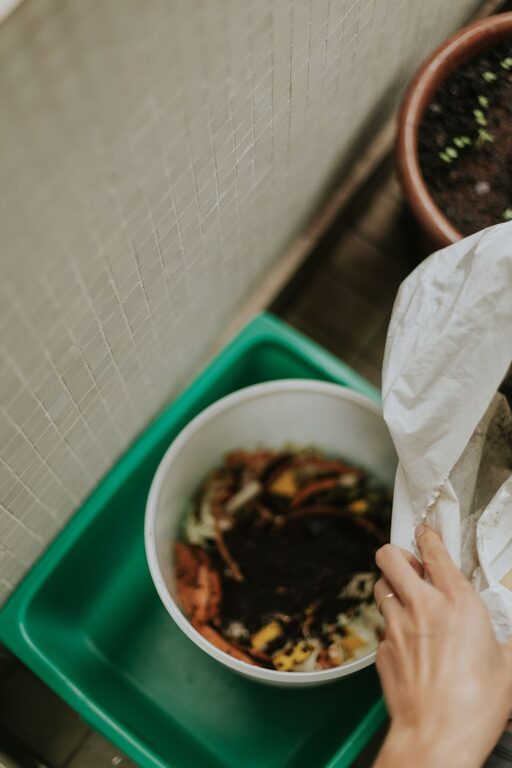
Compost Food Scraps
Not all food waste can be avoided, but composting is a great way to reduce landfill impact.
– Collect vegetable peels, coffee grounds, eggshells: These make excellent compost.
– Avoid composting meat or dairy: They can attract pests.
– Use a compost bin or pile: You can create nutrient-rich soil for your garden.
Regularly Review Your Food Habits
Being mindful of your consumption and waste patterns helps make continuous improvements.
– Keep a food waste diary: Track what you throw away and why.
– Adjust your shopping and cooking accordingly.
– Share surplus food: Donate to food banks or share with neighbors if you have extras.
—
By adopting these simple habits, you can significantly cut down on food waste at home. Not only does this help the environment, but it also saves money and encourages healthier eating. Start with one or two tips and gradually incorporate more into your routine for a sustainable lifestyle. Remember, every small effort counts!